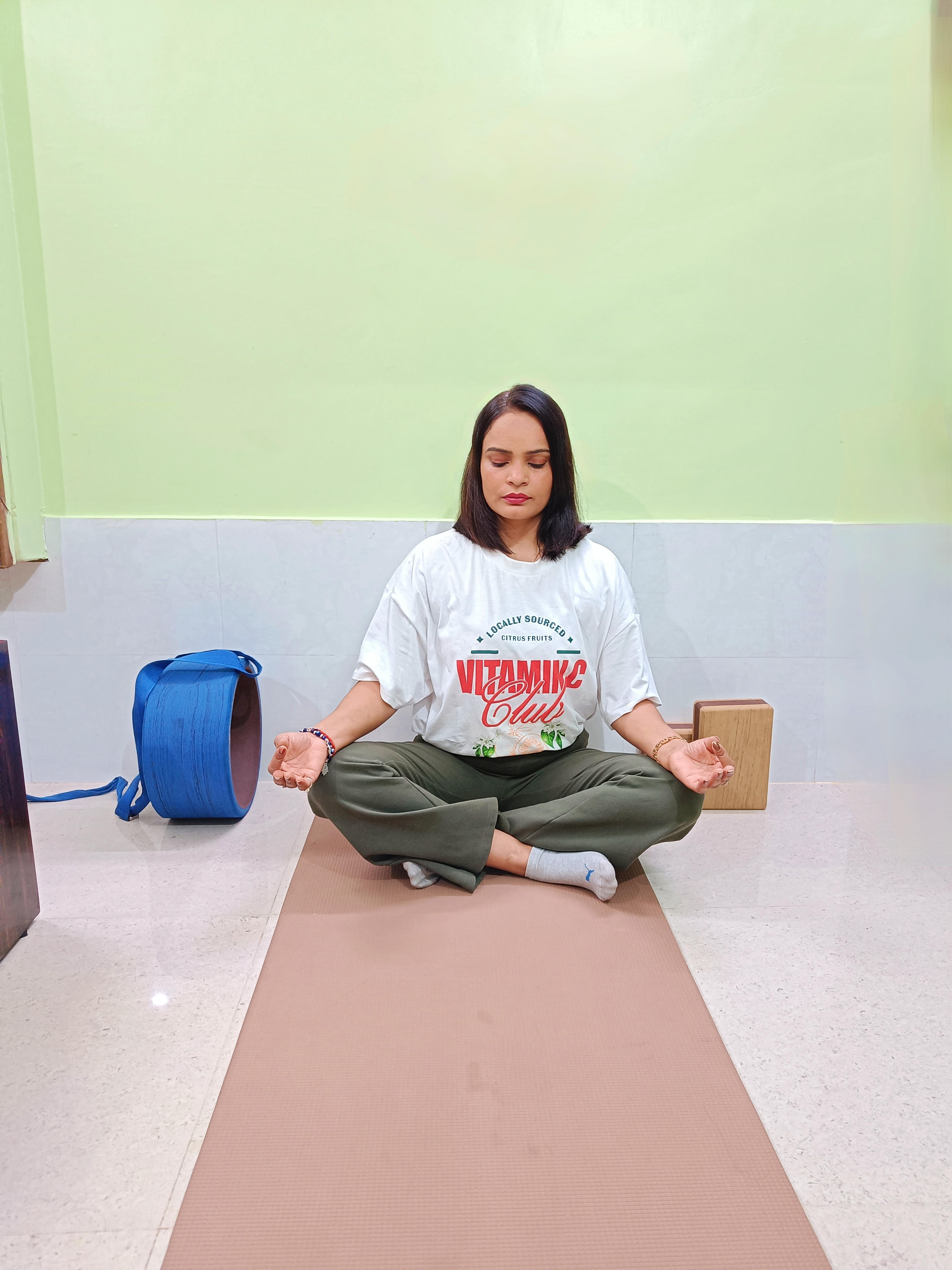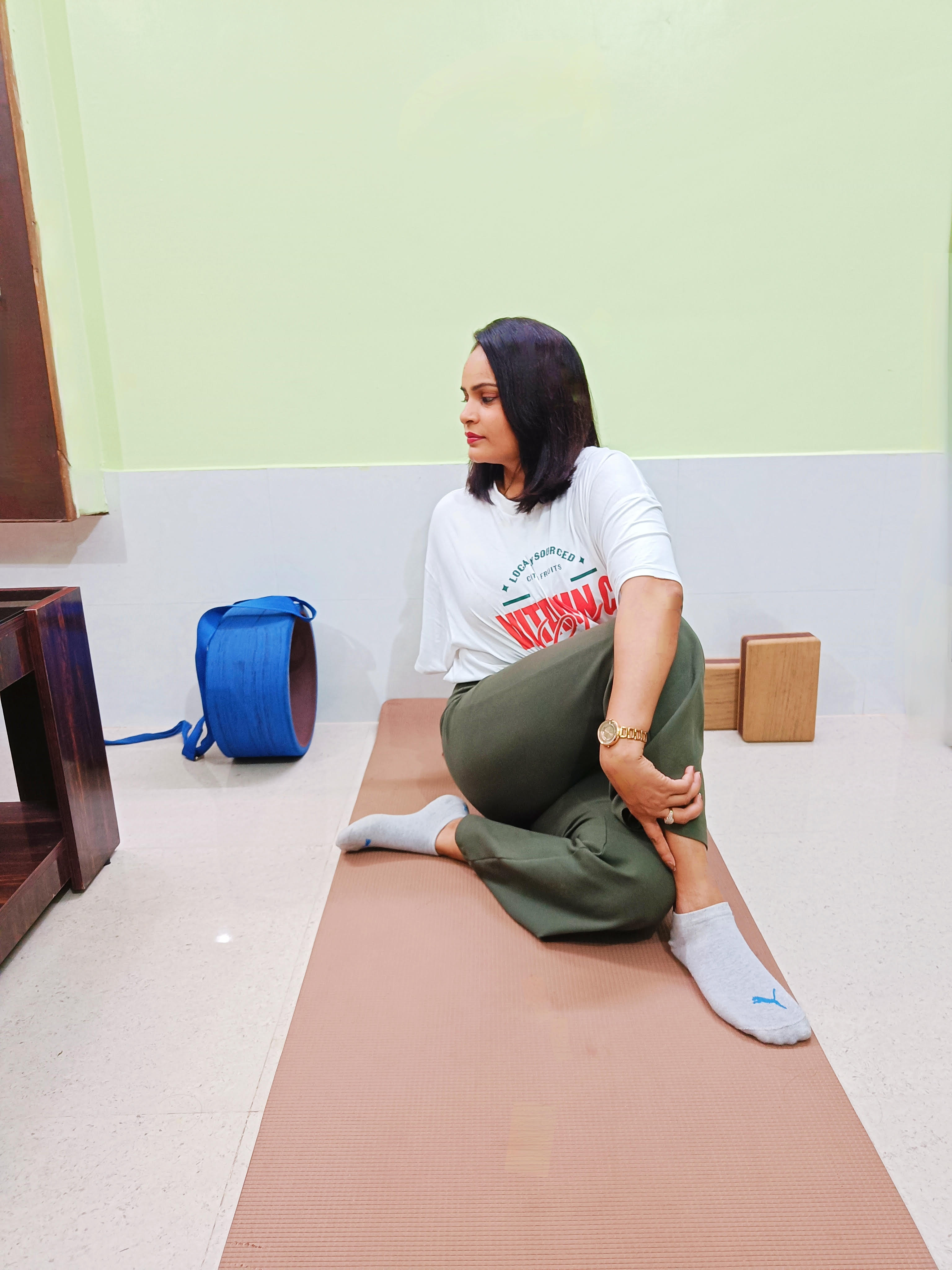
Polycystic Ovary Syndrome (PCOS) affects approximately 1 in 10 women of reproductive age, causing hormonal imbalances, irregular periods, weight gain, and fertility challenges. While medical treatment is often necessary, yoga offers a powerful complementary approach to managing symptoms naturally.
The Stress-PCOS Connection
Chronic stress elevates cortisol, which in turn disrupts insulin sensitivity and worsens hormonal imbalances in PCOS. Yoga directly addresses this by activating the relaxation response, lowering cortisol, and improving insulin sensitivity over time.
Best Yoga Practices for PCOS
- Supta Baddha Konasana (Reclining Bound Angle) — opens the hips and stimulates the ovaries
- Setu Bandhasana (Bridge Pose) — strengthens the core and improves thyroid function
- Bhujangasana (Cobra Pose) — stimulates the reproductive organs
- Nadi Shodhana Pranayama — balances the nervous system and reduces stress hormones
- Yoga Nidra — deep relaxation that resets the endocrine system
How Often Should You Practise?
For meaningful hormonal benefits, aim for 4-5 sessions per week of 30-45 minutes each. Consistency matters more than intensity — gentle, regular practice outperforms occasional intense sessions for PCOS management.
“Yoga does not cure PCOS, but it creates the internal conditions — reduced stress, improved circulation, hormonal balance — that allow your body to heal more effectively.”
— Neelam Verma
Combine your yoga practice with a balanced diet, adequate sleep, and regular medical check-ups for the most comprehensive approach to PCOS management. Many women find that within 3-6 months of consistent practice, their cycles become more regular and symptoms noticeably improve.
Neelam Verma
Yoga Therapist & Wellness Expert
Certified yoga therapist and prenatal yoga specialist with 10+ years of experience guiding women through pregnancy, postpartum, and therapeutic recovery.