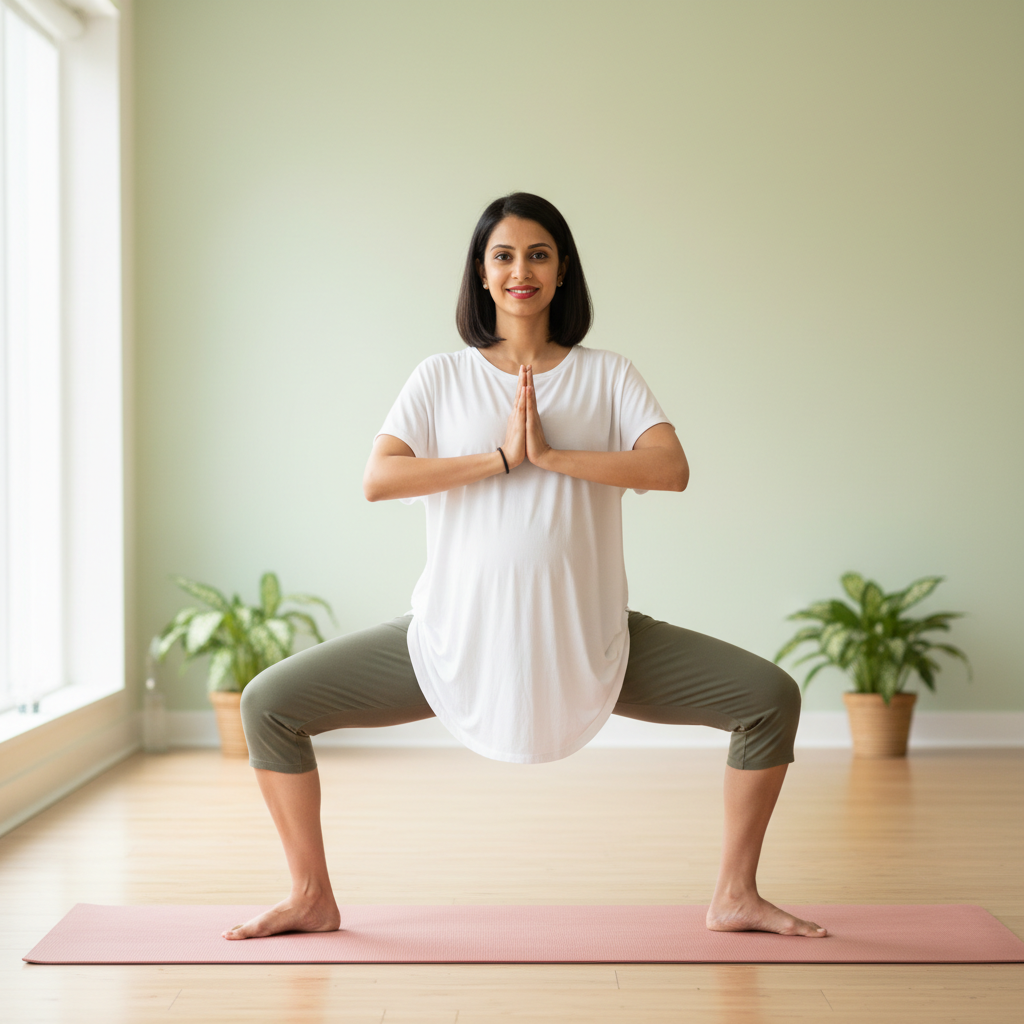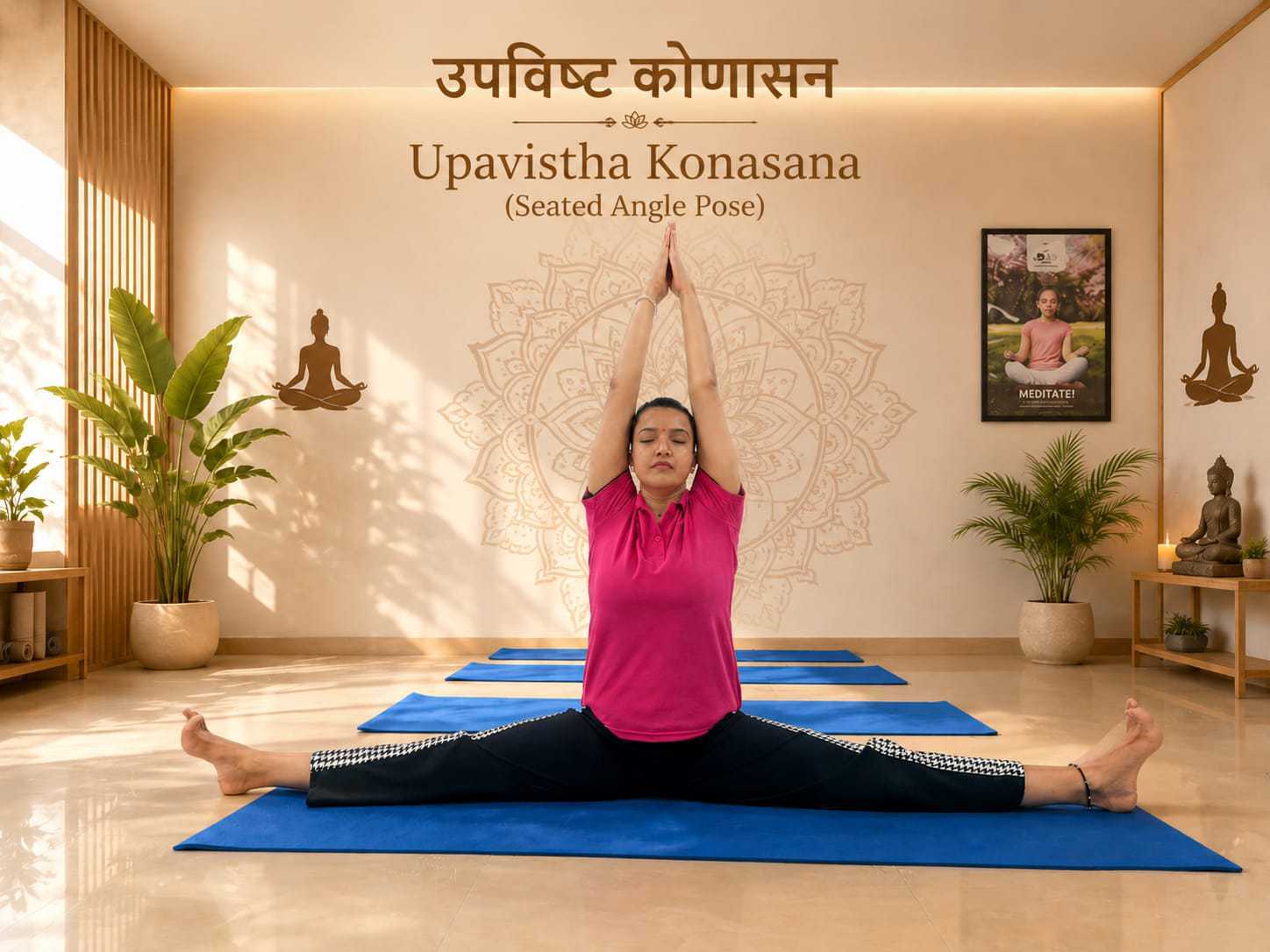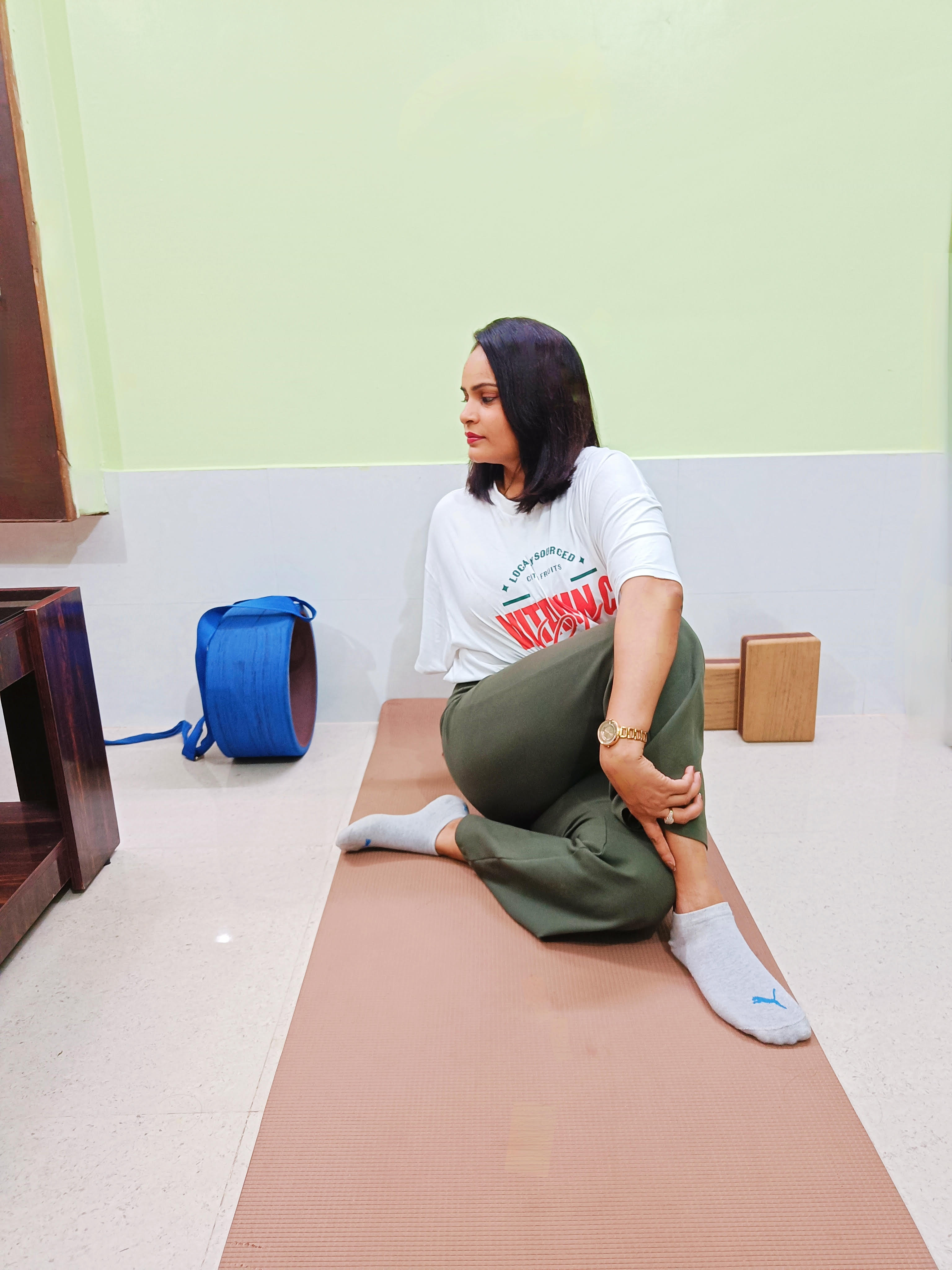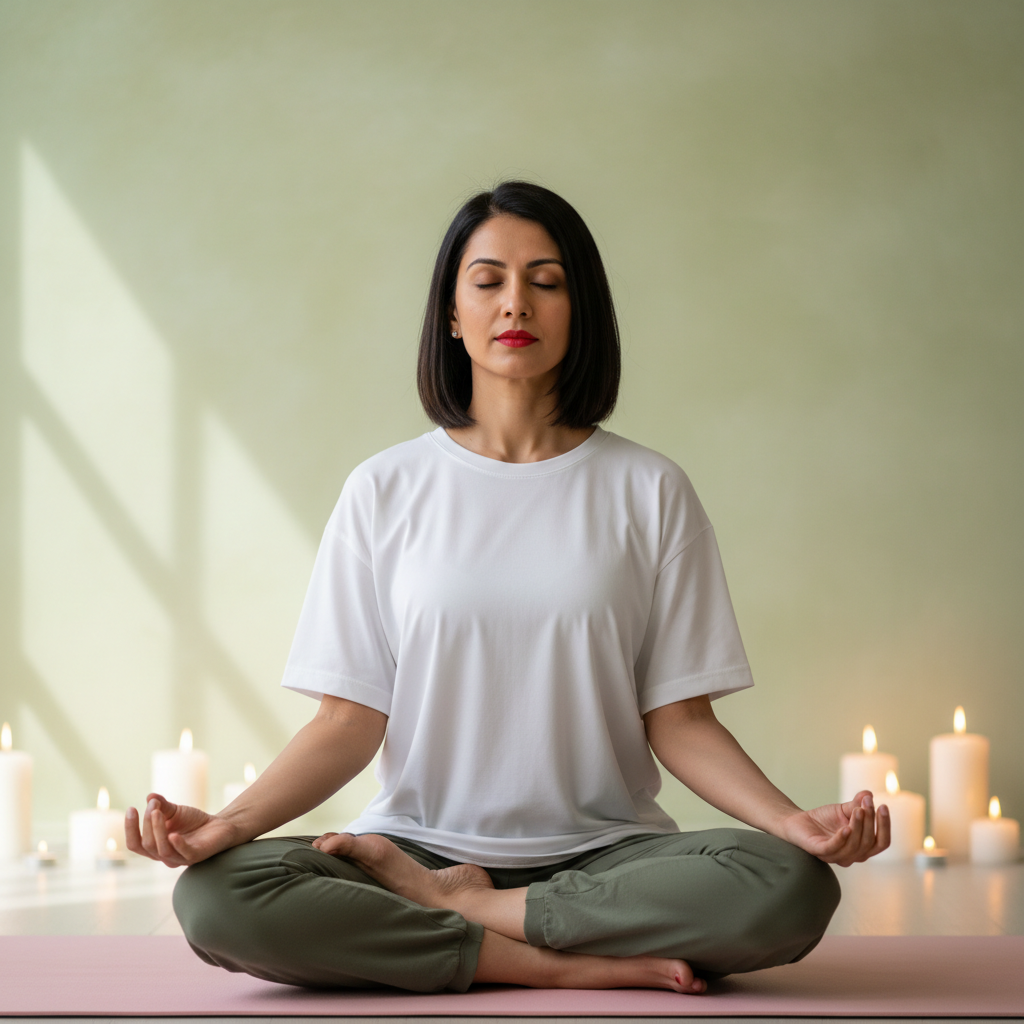
The postpartum period is often called the "fourth trimester" — a time of profound physical and emotional adjustment. Postnatal yoga offers a gentle, structured path back to strength, energy, and well-being, honouring the incredible work your body has done.
When Can You Start?
For vaginal births, gentle breathwork and pelvic floor exercises can begin within days of delivery. More active yoga practice is generally safe after your 6-week postnatal check-up. For C-section births, wait until your 8-12 week check-up and always get clearance from your doctor.
Healing Diastasis Recti
Diastasis recti — the separation of the abdominal muscles — affects up to 60% of women after pregnancy. Certain yoga poses can worsen this condition if done incorrectly. Avoid crunches, sit-ups, and deep twists until the gap has healed. Instead, focus on diaphragmatic breathing and gentle transverse abdominis activation.
Essential Postnatal Yoga Practices
- Diaphragmatic breathing — reconnects you to your deep core
- Pelvic floor engagement — rebuilds strength and prevents incontinence
- Cat-Cow — gently mobilises the spine and relieves back tension
- Supported Bridge Pose — strengthens glutes without straining the core
- Legs Up the Wall — reduces swelling and calms the nervous system
- Restorative Child's Pose — releases tension in the hips and lower back
Honouring Your Recovery
Postnatal recovery is not linear. Some days you will feel strong; others, exhausted. Yoga teaches you to meet yourself where you are, without judgment. Even 10 minutes of gentle movement can make a significant difference to your energy, mood, and recovery.
“You grew a human being. Your body deserves patience, gentleness, and deep respect as it finds its way back to itself.”
— Neelam Verma
Neelam Verma
Yoga Therapist & Wellness Expert
Certified yoga therapist and prenatal yoga specialist with 10+ years of experience guiding women through pregnancy, postpartum, and therapeutic recovery.